

Coffee is a beverage that’s beloved by millions of people around the world. Whether it’s the morning ritual that jumpstarts your day or a comforting drink enjoyed with friends, coffee has become an essential part of daily life for many. Yet, for some individuals, drinking coffee can lead to a concerning side effect: heart palpitations.

Heart palpitations can feel like a fluttering, racing, or pounding sensation in the chest, and they can be quite alarming. Many coffee drinkers have wondered: “Can coffee cause heart palpitations?” or “Is it safe to drink coffee if I experience heart palpitations?”
In this blog post, we will explore the relationship between coffee and heart palpitations, the science behind how caffeine affects the heart, and how individuals can manage their coffee consumption to reduce any unwanted side effects.
1. What Are Heart Palpitations?
Before diving into the effects of coffee on heart palpitations, it’s important to understand what heart palpitations are and how they feel.
What Are Heart Palpitations?
They can occur when you’re at rest or during physical activity and may be felt in the chest, throat, or neck. Palpitations can be triggered by a variety of factors, including stress, anxiety, exercise, or the consumption of certain substances like caffeine.
Coffee-related palpitations are often linked to its caffeine content, which can stimulate the central nervous system and increase heart rate. For individuals sensitive to caffeine, even moderate intake can lead to sensations of a racing heart, fluttering, or skipped beats. These palpitations are typically harmless in healthy individuals but may be concerning for those with underlying heart conditions or anxiety. The amount of caffeine varies by brewing method, roast level, and bean type, making it essential to monitor intake. Using a caffeine calculator helps estimate how much caffeine is in a cup of coffee, aiding users in managing their daily consumption.
For example, espresso has a higher concentration of caffeine per ounce than drip coffee, but people typically consume less of it. Cold brew often contains more caffeine due to longer extraction times. Individuals experiencing palpitations may benefit from choosing lower-caffeine options like decaf, Arabica beans, or lighter servings. It's also important to consider other contributing factors like stress, dehydration, or lack of sleep.
Ultimately, recognizing how caffeine content influences heart activity empowers coffee drinkers to make informed choices. Tools like a caffeine calculator are valuable for maintaining a balanced intake and minimizing uncomfortable side effects like palpitations.
What Causes Heart Palpitations?
However, in many cases, palpitations are benign and occur as a result of lifestyle factors, such as:
Stress and Anxiety: Emotional stress can activate the body’s "fight or flight" response, causing the heart to beat faster and harder.
Physical Activity: Exercise increases the heart rate, and this can lead to palpitations, particularly if the body is not accustomed to vigorous activity.
Hormonal Changes: Hormonal fluctuations during pregnancy, menstruation, or menopause can contribute to palpitations.
2. The Role of Caffeine in Heart Palpitations
How Does Caffeine Affect the Heart?
It does so by blocking adenosine, a neurotransmitter that promotes relaxation and sleep, while simultaneously stimulating the release of dopamine and norepinephrine, neurotransmitters that increase energy and alertness. This stimulation also affects the heart and blood vessels.
When you drink coffee, the caffeine is absorbed into your bloodstream and reaches your brain, but it also has an impact on your cardiovascular system. Caffeine can:
Increase Heart Rate: Caffeine is known to cause a temporary increase in heart rate by stimulating the sympathetic nervous system. This can lead to an elevated heart rate, which may cause palpitations in some people, especially if they are sensitive to caffeine.
Raise Blood Pressure: Caffeine can cause a temporary rise in blood pressure by constricting blood vessels. For most people, this increase is modest, but in individuals with hypertension or other heart conditions, it can be more pronounced.
Stimulate Adrenaline Production: Caffeine prompts the release of adrenaline (also known as epinephrine), the hormone responsible for the "fight or flight" response. This can make the heart beat faster and harder, which may lead to palpitations.
How Much Caffeine Is Too Much?
The effects of caffeine can vary widely from person to person, depending on factors such as tolerance, genetics, and underlying health conditions. However, the average healthy adult can generally consume up to 400 milligrams of caffeine per day (equivalent to about four 8-ounce cups of brewed coffee) without significant adverse effects. This amount is unlikely to cause palpitations in most people.
For these individuals, even a small amount of caffeine can cause noticeable side effects, including palpitations. Excessive caffeine consumption—over 500-600 milligrams per day—can lead to restlessness, anxiety, insomnia, and palpitations. In extreme cases, high caffeine intake can lead to more serious issues like arrhythmias (irregular heartbeats) or cardiac arrhythmia, especially in people with preexisting heart conditions.
3. Who Is Most Likely to Experience Palpitations from Coffee?
Certain factors increase the likelihood of experiencing heart palpitations after drinking coffee. These include:
1. Caffeine Sensitivity
Some individuals are naturally more sensitive to caffeine, and even moderate consumption can trigger palpitations, jitters, or anxiety. This sensitivity is often determined by genetic factors that influence how the body metabolizes caffeine. For example, people with a slower caffeine metabolism may experience stronger effects from drinking coffee.
2. Existing Heart Conditions
People with certain heart conditions, such as arrhythmias, atrial fibrillation, or tachycardia, may be more susceptible to the effects of caffeine. In these individuals, caffeine can exacerbate the underlying heart condition, leading to more frequent or severe palpitations.
3. Anxiety and Stress
If you’re prone to anxiety or stress, consuming caffeine may intensify these feelings, leading to an increased heart rate and palpitations. Caffeine can trigger the “fight or flight” response, which is closely linked to both anxiety and palpitations.
4. Pregnancy and Hormonal Changes
Pregnant women or individuals undergoing hormonal changes may be more sensitive to the effects of caffeine, including increased heart rate and palpitations. This is particularly true in the later stages of pregnancy when caffeine’s effects on blood pressure and heart rate may be more pronounced.
4. The Link Between Coffee, Palpitations, and Health Risks
In most cases, heart palpitations caused by caffeine are benign and do not pose a serious health risk. However, for some individuals, frequent or severe palpitations could indicate an underlying issue that may require medical attention. Let’s explore the potential health risks and when you should seek medical advice.
1. Short-Term vs. Long-Term Effects
For the majority of people, drinking coffee and experiencing heart palpitations is temporary. The effects of caffeine are usually short-lived, and once the caffeine is metabolized by the body, the palpitations subside.
However, for people who regularly experience palpitations, it could be a sign that their caffeine consumption is too high, or they may have an underlying condition that needs to be addressed. It’s important to monitor the frequency and intensity of palpitations and to consider reducing caffeine intake if they occur regularly.
2. Coffee and Heart Disease
There is some concern about the long-term effects of caffeine on heart health, particularly for individuals with existing heart disease or high blood pressure. Some studies suggest that excessive caffeine intake may increase the risk of developing cardiovascular problems, especially if consumed in large quantities over extended periods. However, the relationship between coffee and heart disease is complex and still being studied.
In fact, several studies have shown that moderate coffee consumption may even have protective effects on heart health. For example, a 2013 study published in the American Heart Association Journal found that moderate coffee consumption was associated with a lower risk of stroke and heart failure.
3. When to Seek Medical Advice
If you experience frequent or severe palpitations after drinking coffee, or if the palpitations are accompanied by symptoms like chest pain, shortness of breath, dizziness, or fainting, it’s important to seek medical advice. These could be signs of a more serious heart condition, such as arrhythmia or heart disease, and should be evaluated by a healthcare professional.
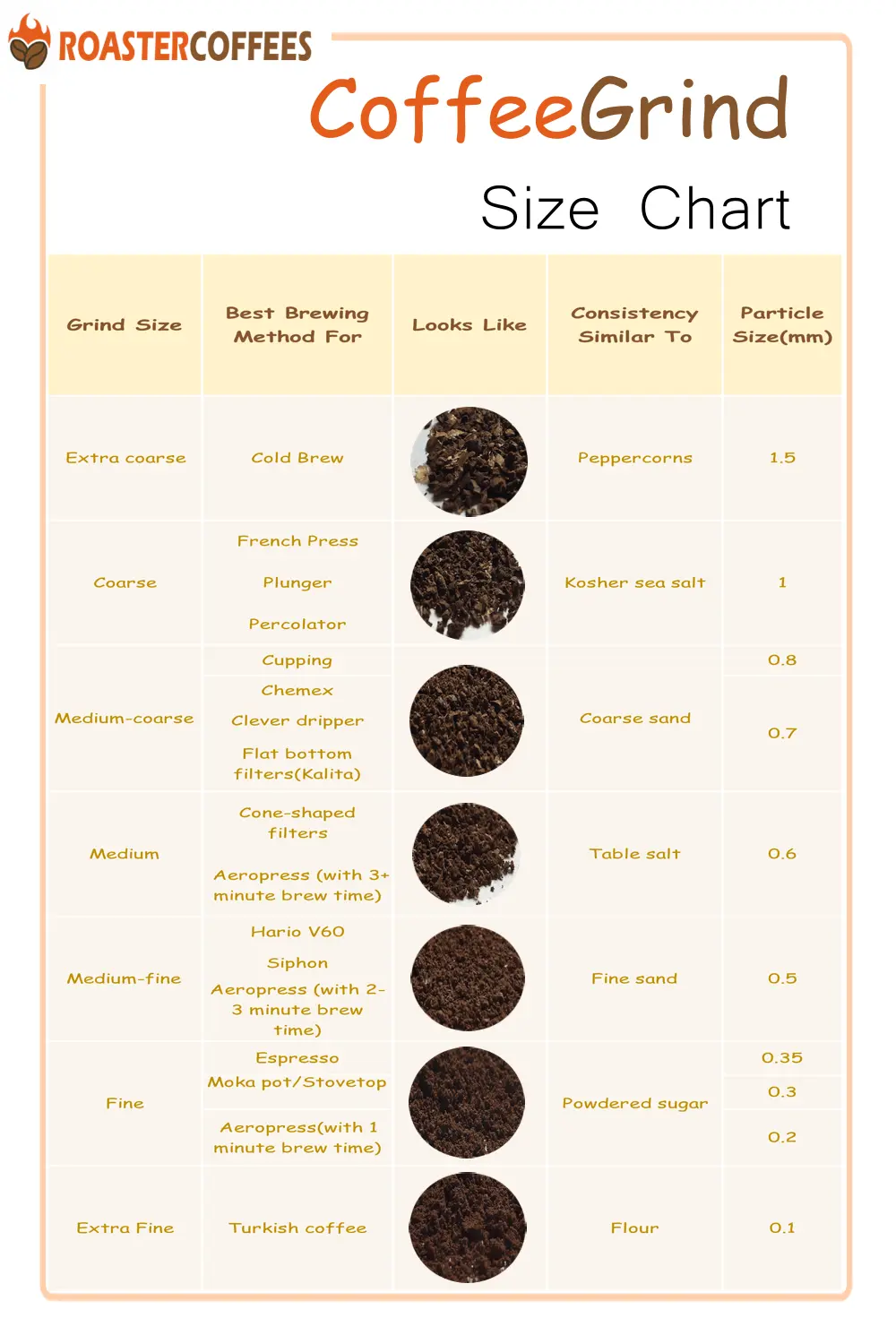
The relationship between coffee-induced palpitations and coffee grind size is subtle but significant. Grind size influences extraction rate, which affects the caffeine content of a brewed cup—directly impacting how strongly the beverage may trigger heart palpitations in sensitive individuals. Finer grinds, such as those used for espresso, expose more surface area, leading to faster and more efficient caffeine extraction. This results in a brew with a higher concentration of caffeine, which may increase the likelihood of palpitations. Conversely, coarser grinds, like those used in French press or cold brew, tend to extract caffeine more slowly and may yield a smoother, lower-intensity effect.
Using a coffee grind size chart helps identify the ideal grind for different brewing methods, ensuring that the caffeine extracted matches one’s tolerance level. For those prone to palpitations, using a coarser grind for slower extraction may help minimize unwanted stimulation. Additionally, over-extraction caused by using a grind too fine for a particular brewing method can intensify both caffeine content and bitterness, possibly compounding heart-related discomfort. Understanding how grind size influences the caffeine profile and physiological effects of coffee can empower consumers to make more heart-friendly choices using tools like a coffee grind size chart.
5. Managing Coffee Consumption and Heart Palpitations
If you love coffee but are concerned about its effects on your heart, there are several strategies you can use to enjoy your coffee while minimizing the risk of heart palpitations.
1. Monitor Your Caffeine Intake
While 400 milligrams is generally safe for most people, some may need to limit their intake to prevent palpitations. Consider keeping track of the amount of caffeine you consume throughout the day, including from sources other than coffee, such as tea, energy drinks, and chocolate.
2. Choose Lower-Caffeine Coffees
If you’re sensitive to caffeine, switching to lower-caffeine options may help. Consider choosing decaffeinated coffee or coffee made from beans that naturally contain lower amounts of caffeine, such as Arabica beans.
3. Spread Out Your Caffeine Intake
Instead of consuming all your caffeine in one sitting, try spreading it out throughout the day. This can help prevent sudden spikes in heart rate or blood pressure and reduce the risk of palpitations.
4. Stay Hydrated
Dehydration can contribute to heart palpitations, so it’s important to stay hydrated when drinking coffee. Pair your coffee with water to maintain proper hydration.
5. Listen to Your Body
Ultimately, the best approach is to listen to your body. If you notice that certain types of coffee or higher doses of caffeine lead to palpitations or discomfort, it may be worth adjusting your consumption or exploring alternatives like herbal teas or decaf options.
Conclusion: Can Coffee Cause Heart Palpitations?
The short answer is: Yes, drinking coffee can cause heart palpitations, especially in individuals who are sensitive to caffeine or have preexisting heart conditions. However, for most people, occasional palpitations caused by moderate caffeine consumption are harmless and temporary.
If you experience frequent or severe palpitations, it’s important to seek medical advice, as they could be a sign of a more serious health issue. By understanding how caffeine affects the body and making mindful choices about coffee consumption, you can continue to enjoy your favorite beverage without risking your heart health.
References: Brewing Sustainability: Nurturing a Greener Future for the Coffee Industry The Timeless Appeal Of Hot Coffee


